3 minutes read
The blank page is a horizon, infinite and unsettling. It calls to you, yet dares you to step forward, to make your mark, to fill the emptiness, but without knowing where it will lead. At first, it is a void, an expanse of untouched surface, a quiet challenge, where the echo of hesitation drowns out even the boldest idea.
But what if the page was never meant to be blank?
The Altered Beginning
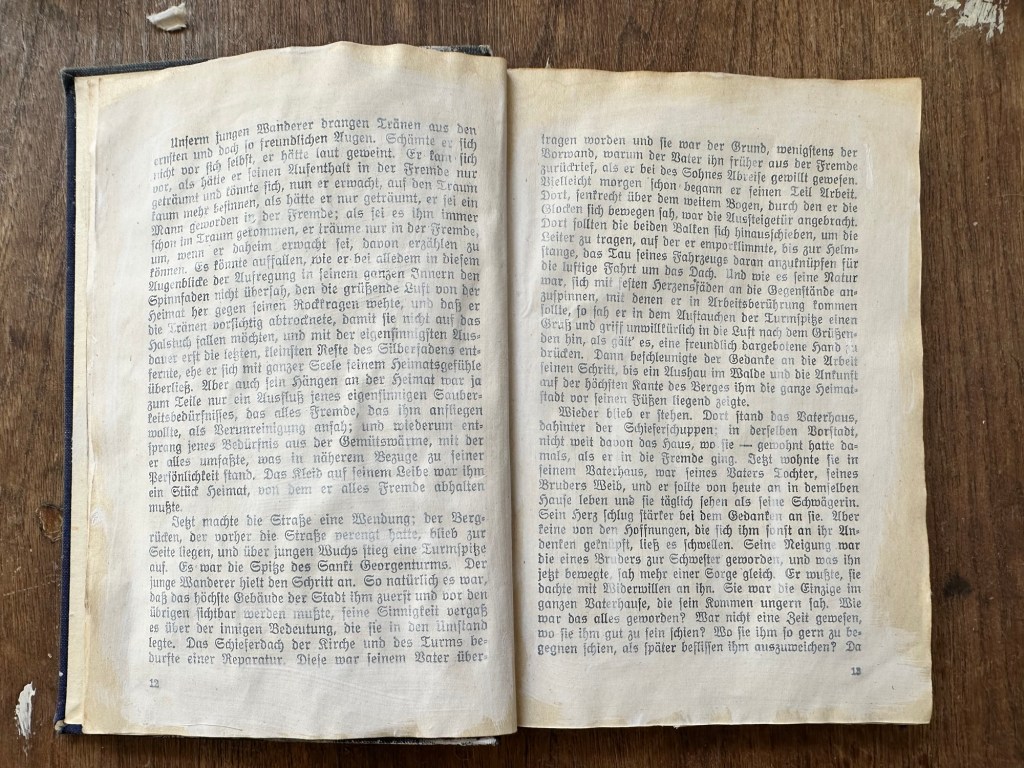
I don’t face blank pages anymore. I transform them before I begin. A found book — not a new sketchbook — becomes my canvas.
I specifically seek out old, discarded books, their pages already carrying history, already marked with time and use.
This is my starting point, never the intimidating blank journal.
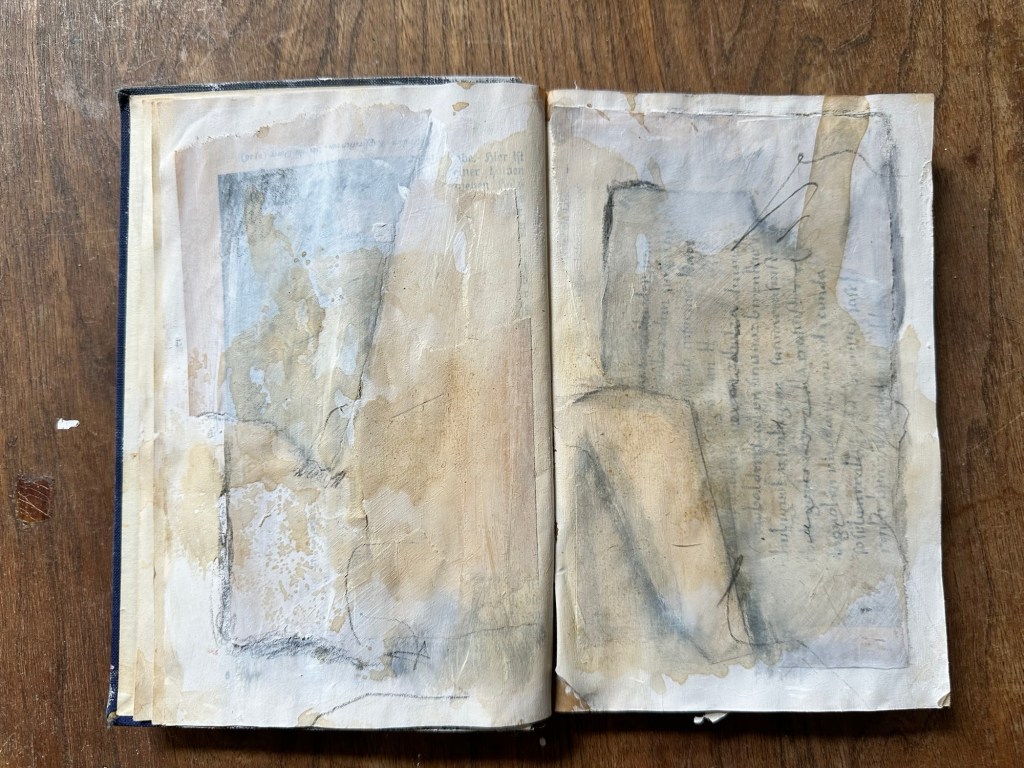
I coat these book pages with gesso, uneven and textured, letting my fingers feel the resistance, watching as the white obscures what was, creating space for what might be.
With each brushstroke, the intimidation fades. The page is no longer empty but alive with possibility —ridges, bumps, and imperfections becoming invitation rather than obstacle.
Breaking the Surface
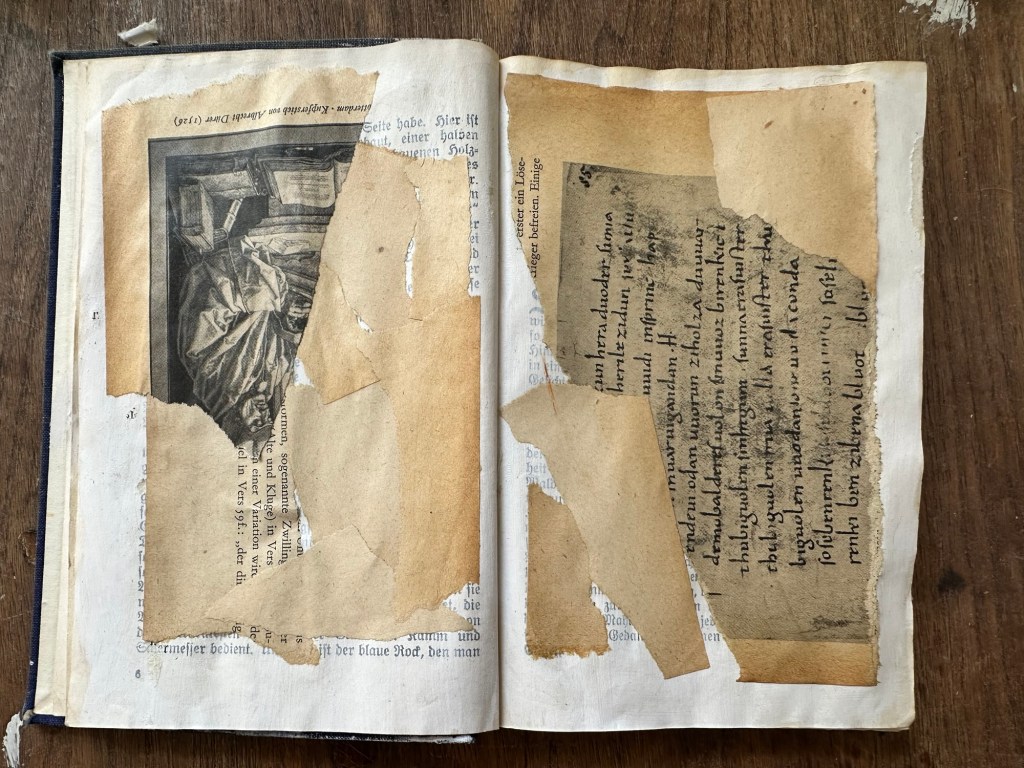
I scatter fragments across the altered surface:
bits of tissue paper that whisper as they settle,
scraps of found text carrying unknown stories,
pieces of maps leading nowhere and everywhere.
These elements don’t need to make sense.
They need only to exist, to break the tension,
to create a conversation between materials.
The fear dissolves in this tactile dialogue —
as I tear, paste, and layer without judgment,
without knowing what will emerge.
This is not about making something beautiful.
This is about making something alive.
The Freedom in Imperfection
The page becomes a playground for mistakes. Each “error” a doorway to unexpected discovery. A spill of ink becomes a shadow. A tear in the paper becomes a path. A smudge becomes texture, character, voice. I learn to trust these unplanned moments, to follow where they lead rather than forcing them into submission.
This is the paradox: When I release the need for perfection, something raw and authentic takes its place —a form that could never have been planned, a voice that could only be discovered.
The Ongoing Conversation
The fear of the blank page fades
when we see that nothing is truly beginning
and nothing is truly finished.
Each mark is a response to what came before.
Each layer speaks to what lies beneath.
A page prepared with gesso and collage
invites rather than intimidates.
It asks questions instead of demanding answers.
It offers partnership rather than judgment.
The page becomes a companion,
waiting to be worked with, not against.
The Invitation
Every page holds a quiet promise,
a place for discovery,
for transformation.
It waits not for perfection,
but for the courage to begin.
The fear is not the page,
but the hesitation to step into its mystery,
to trust in the process of creation —
the willingness to let the unknown
become the place where something is born.
Here, there are no rules.
There is only the act of unfolding.
And so I begin —
not with a blank page,
but with texture, with history, with fragments.
With hands willing to play,
to discover,
to transform.
The page is no longer blank
when we prepare it to receive our touch,
when we accept imperfection as the starting point,
when we understand that creating
is not filling emptiness,
but revealing what was always possible.
From Philosophy to Practice
At Kunstkammer Berlin, we transform these philosophical approaches into tangible techniques. Our art journaling courses guide you through specific methods to overcome the blank page paralysis:
• The Altered Book Method: Learn to select and prepare found books as your canvas, transforming intimidating emptiness into inviting texture
• Layering Techniques: Discover how to build foundational layers using gesso, collaging, and found materials that break the tension of beginning
• Material Conversations: Practice responding to what emerges rather than forcing predetermined outcomes
• Permission-Giving Exercises: Experience structured explorations designed to bypass self-criticism and cultivate creative confidence
These techniques aren’t formulaic steps to follow, but rather practiced ways of engaging with materials that gradually retrain your creative instincts.
In our workshops, you’ll find yourself surrounded by others on similar journeys—some just beginning, others deep in their practice. This shared experience of creating together dissolves isolation and normalizes the creative struggle. When you see others embrace imperfection, permission spreads like ink on damp paper.
One approach we practice is what I call “the intentional mistake.” Before any meaningful mark is made, we deliberately create a “flaw”—perhaps a bold scribble, a torn edge, or a random splash of color or even coffee. This immediate disruption of perfection frees us from the tyranny of getting it right. From there, we don’t correct the mistake but respond to it, allowing it to guide what comes next.
Join us at Kunstkammer Berlin to transform your relationship with the blank page. Discover how preparation, community, and practiced techniques can replace hesitation with curiosity, perfectionism with play.
Your imperfect page awaits—not as a challenge to overcome, but as a conversation to begin.
To join us for current art journaling courses and workshops in Berlin, click here
Text © Anna Livia Löwendahl-Atomic, 2025.
 KUNSTKAMMER BERLIN
Leave a comment